



Author
Prof Dr Paul Heidekrüger
Reading time min.
Reading time min.
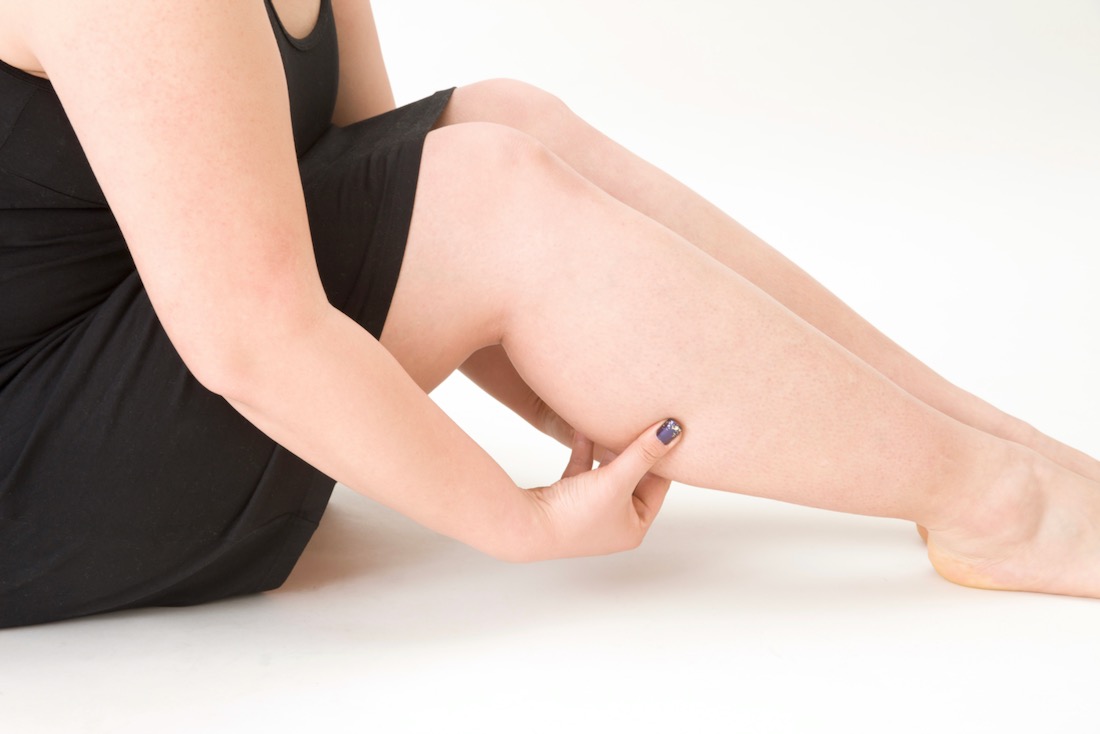
Lipoedema is an unpleasant condition in which fat cells grow uncontrollably. It is therefore an even greater relief for those affected when liposuction provides relief. But what should be done if the lipoedema returns after the operation?
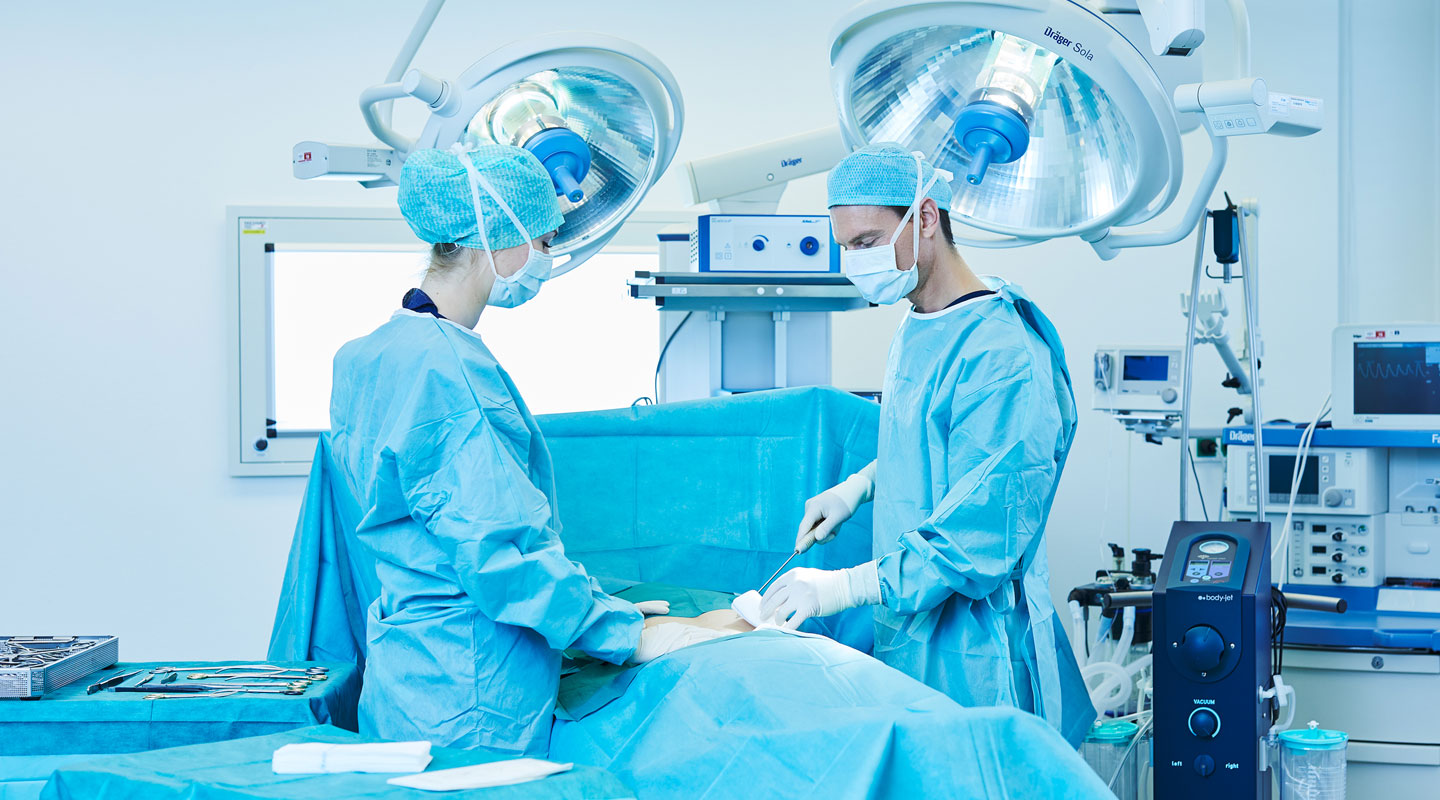
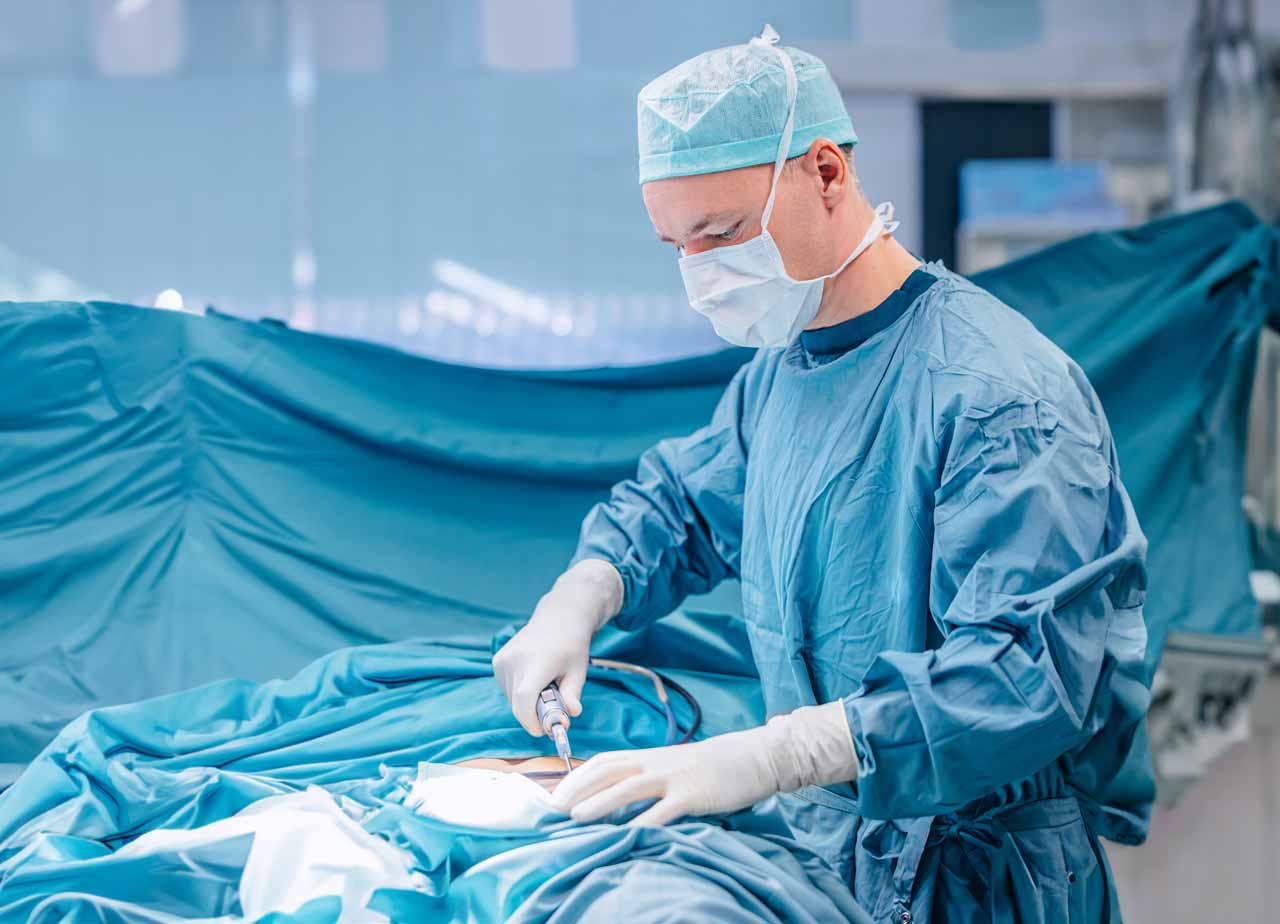
Liposuction is regarded as an effective method of halting the progression of lipoedema or radically slowing its progression. During the procedure, diseased fat cells are permanently removed. The aim is to remove as many of the affected cells as possible, so that as far as possible only healthy cells remain, which change normally in contrast to the pathological lipoedema cells.
However, it is quite possible for lipoedema to return after surgery. This is due to the fact that not all of the fatty tissue affected by lipoedema can always be removed by liposuction. The remaining diseased cells - however few they may be - can continue to cause an increase in fatty tissue.
For safety reasons, surgical treatment is also subject to certain volume limits, whereby no more than 8-10 % of pure fatty tissue should be removed from the body weight during liposuction. This is another reason why lipoedema can recur after surgery. If a large amount of fatty tissue is involved, liposuction must be divided into several sessions. There must be an interval of at least 6 - 8 weeks between the procedures.
If lipoedema cells remain in the body after liposuction, they can continue to grow, but this happens very slowly. This is because there are significantly fewer diseased cells. In individual cases, lipoedema can reappear after an operation due to relapses and after some time. It can then be removed again by liposuction. In most cases, however, lipoedema does not return after surgery!
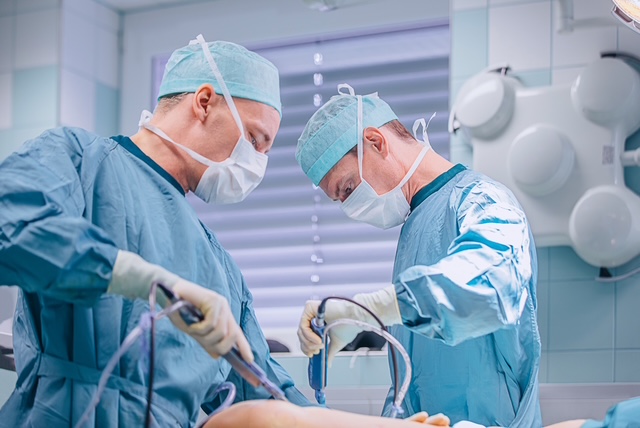
It is common practice to perform liposuction again in the case of lipoedema, which in rare cases returns after surgery. Here, as with the first procedure, the diseased fat cells are removed. Once removed, they cannot multiply any further. As a rule, however, a new liposuction is only necessary after 8-12 years in these cases.
If the Lipoedema after the OP is back, the first step should be a visit to the doctor treating you. Ideally, you should see the specialist who made the initial diagnosis or performed the procedure. Alternatively, another suitable specialist Doctor is an option. In any case, it is important that the doctor has lymphological and surgical expertise in the specialist field and is aware of the problem of recurrent lipoedema. That way it can be treated well!
In addition to surgical interventions, there are also a number of conservative therapies. These include compression garments, which help to reduce swelling and improve blood circulation. Physiotherapy and lymphatic drainage are also common treatments that can help to alleviate symptoms and improve quality of life.
An essential aspect of the treatment is the Individuality of the treatment plan. Each case of lipoedema is unique and therefore the treatment approach should be tailored to the specific needs and circumstances of each patient. This may include a combination of different forms of therapy, depending on the severity of the lipoedema, the areas affected and the patient's personal preferences.
In summary, the Lipoedema treatment a customised journey that requires careful assessment and a personalised approach. Due to the variety of treatment options available Women affected find effective solutions to alleviate their symptoms, improve their mobility and ultimately lead a more fulfilling life.
Thick legs and calves can be a cause for concern for many women, especially if they indicate lipoedema. Fortunately, there are a number of preventative and self-help measures that can be taken at home to help alleviate symptoms and slow the progression of the condition.
A healthy lifestyle plays a crucial role in the prevention and treatment of lipoedema. Regular physical activity, such as swimming, cycling or gentle exercise Yoga, can promote blood circulation and support lymphatic drainage. These exercises not only help to reduce swelling, but also strengthen the muscles and improve general well-being.
Diet is another important factor. A balanced diet rich in fresh fruit and vegetables, wholemeal products and lean protein can help, Reduce inflammationand a healthy weight control to support the body. It is also advisable to reduce the consumption of salt and processed foods in order to minimise water retention.
In addition to nutrition and exercise Self-massage and skin care can be useful. Regular gentle massages, for example with a soft brush or special massagers, can promote blood circulation and help to reduce fluid retention. The use of moisturising lotions or oils can also improve skin elasticity and alleviate discomfort.
It is important to remember that although these self-help measures can have a supportive effect, they are not a substitute for medical treatment. If you suspect you have lipoedema, you should always contact the Advice from a Lipoedema doctor to get advice. Through a combination of professional medical advice and consistent self-help measures, women with lipoedema can actively contribute to their own well-being and improve their quality of life.
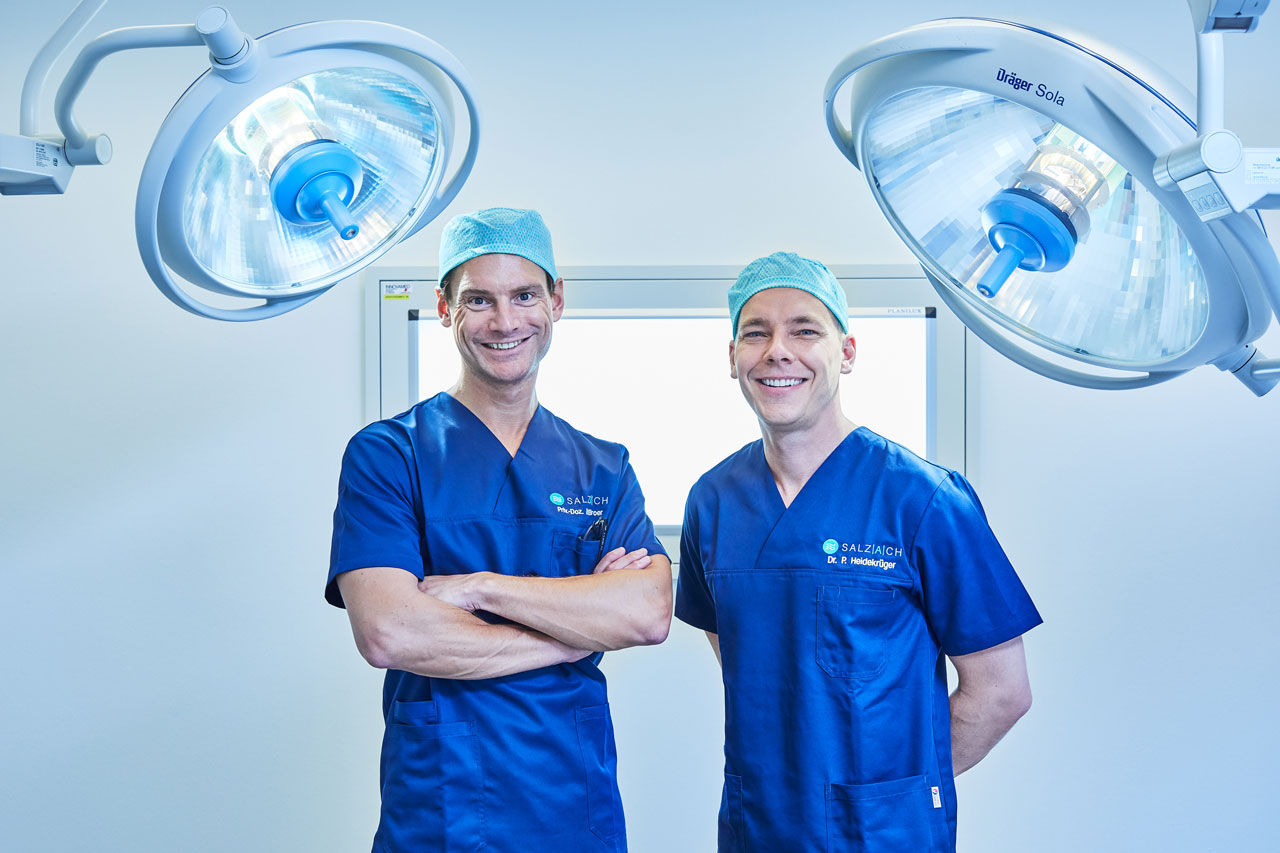
At LIPOhelp® we are proud to be a Team of specialists We are proud to have a team that not only has extensive medical experience, but also a deep understanding of the individual needs of our patients. Under the management of Prof Dr med Niclas Broer and Priv.-Doz. Dr med. Paul Heidekrüger, we focus on making every lipoedema treatment as personalised and effective as possible.
Our approach at LIPOhelp® is based on seeing each patient as an individual whose lipoedema is unique. It is therefore our goal to Best possible treatment strategy for each individual patient. Our experts utilise the latest scientific findings and state-of-the-art surgical techniques, such as low-scar liposuction, to achieve optimal results.
We encourage our patients to focus not only on the external symptoms, but also on their overall well-being. Our recommendations include regular medical check-ups, a balanced Nutrition and appropriate physical activity to control the progression of lipoedema and improve overall health.
At LIPOhelp®, we are not only concerned with offering medical treatments, but also with supporting our patients on their journey through life. The path to an improved attitude to life and a higher quality of life. With our expertise, commitment and holistic approach, we strive to make a positive and lasting impact on every patient's life.
It can be difficult to decide, When to see a doctor about thick legs, calves or lower legs. At LIPOhelp® we want to help you recognise the warning signs that indicate an underlying problem such as a Lipoedema could be an indication. Early diagnosis can not only improve the success of treatment, but also significantly improve your quality of life.
A clear sign that it is time to see a doctor are persistent pain in your legs that cannot be explained by normal daily activities. If this pain is accompanied by visible swelling that does not subside even after periods of rest or overnight, you should not hesitate to seek professional help.
Also pay attention to changes in the Skin texture on your legs. These include thickening, hardening or a noticeable blue discolouration when pressure is applied. These symptoms may indicate lipoedema or other medical conditions that require specialist assessment.
At LIPOhelp® we understand that the thought of seeing a doctor can be unsettling, but the importance of early diagnosis cannot be emphasised enough. The earlier lipoedema is recognised, the more effectively we can help you, to manage the symptoms and improve your health and well-being. So don't hesitate to contact us if you notice these signs seek medical advice.

Your opinion is important to us!
We would be delighted if you would publish your experiences on one of the following pages:


©2026 zellfusion GmbH | Munich
You need to load content from hCaptcha to submit the form. Please note that doing so will share data with third-party providers.
More InformationYou need to load content from reCAPTCHA to submit the form. Please note that doing so will share data with third-party providers.
More InformationYou need to load content from reCAPTCHA to submit the form. Please note that doing so will share data with third-party providers.
More InformationYou need to load content from reCAPTCHA to submit the form. Please note that doing so will share data with third-party providers.
More InformationYou need to load content from Gymnastics styles to submit the form. Please note that doing so will share data with third-party providers.
More InformationYou are currently viewing a placeholder content from Instagram. To access the actual content, click the button below. Please note that doing so will share data with third-party providers.
More Information