



Directly to the content
Lipohelp - The lipoedema experts Logo
Home
/
What exactly is lipoedema

What exactly is lipoedema?

Lipoedema is a symmetrical, abnormal increase in fatty tissue, which is a chronic and progressive disease of the fatty tissue. It usually affects the lower extremities in the area of the hips and thighs. Less frequently, the lower legs and/or upper arms can also be affected by the pathological fat distribution disorder. The abnormal fat distribution disorder can be associated with pain and increased sensitivity to touch in the affected areas of the body. Even minor trauma to these areas can often lead to the formation of bruises very quickly and easily. In advanced stages, the proliferation of fatty tissue can lead to skin bulges, which often form on the inside of the knees and can cause redness and irritation of the skin.

According to the current state of science, lipoedema is triggered by hormonal processes in the body. Only women are affected by this condition and this fat distribution disorder is often triggered by hormonal changes during puberty or pregnancy.

Around 10% of all women are affected by the disease, although a significantly higher number of unreported cases can be assumed due to the difficulty in making a correct diagnosis.

What similar clinical pictures are there and how is the correct diagnosis made?

There are other diseases whose symptoms are very similar to those of lipoedema. These include lymphoedema, phleboedema and secondary lymphoedema. It often takes many years before a correct diagnosis is made. For many patients, this is often associated with a long ordeal, which can involve a number of dietary changes, exercise or visits to the doctor. This can have a significant impact on quality of life and, in extreme cases, have psychosocial consequences. The diagnosis is often made late, as many colleagues are not yet familiar with this fat distribution disorder. An experienced doctor can recognise lipoedema with the naked eye and a detailed clinical examination, as a typical body silhouette is marked and the tissue shows typical skin changes.

A Self-test can narrow down the diagnosis somewhat. Answer the questions below. The more questions you answer with “yes”, the more likely it is that you have lipoedema.

  • Do you bruise quickly and easily?
  • Do your legs feel heavy when you climb stairs up to the third floor?
  • After a day of standing for most of the day, do your legs feel swollen and are your trousers increasingly tight?
  • Abdomen/Waist
  • After a long day, do you feel a burning pain in bed at night?
  • Are you tired after a normal working day or so exhausted that you just want to go to bed?
  • Do you have cellulite on your thighs?
  • Do you feel pain even if you only bump lightly against something?
  • Are you not losing weight in certain areas despite eating right and exercising regularly?
  • Are you constantly putting on weight (especially in certain areas) even though you are watching what you eat?
  • Do you have a disproportion in the distribution of fat tissue between your upper and lower body?

Are there different stages of lipoedema?

Depending on the nature of the skin and tissue structure, lipoedema can be divided into three stages:
Lipoedema stage
01
typical signs

Skin surface smooth, subcutaneous fat thickened, fat structure finely nodular

Lipoedema stage
02
typical signs

Tissue additionally coarser and harder, coarse-knotted skin surface with distinct dents

Lipoedema stage
03
typical signs

Severely thickened and hardened tissue, large, deforming flaps of skin and fatty tissue (so-called dewlap formation)

In addition, the pathological fat distribution disorder can be categorised into types depending on the affected body region:

Type
01

The subcutaneous fat is increased, especially in the buttocks and hips, resulting in so-called saddlebags.

Type
02

The disease has spread to the lower leg and there is an increased formation of fat on the inside of the knees.

Type
03

The disease now extends from the hips to the ankles.

Type
04

The fat distribution disorder now also affects the arms. The wrists are not affected.

How is lipoedema treated?

The aim of treatment is to eliminate the cause of the symptoms, which are triggered by the pathological proliferation and alteration of the fat cells. In principle, any type of lipoedema can be treated conservatively and surgically by liposuction at any stage. Gentle liposuction can remove the majority of the abnormally altered fatty tissue and thus normalise or at least significantly improve the lymphatic drainage of the tissue. This procedure must always be carried out in combination with essential conservative treatment using compression and manual lymphatic drainage, which should ideally be started beforehand.

What are the goals of treatment?

  • Optimise lymph drainage
  • Soften hardened tissue
  • Reduce connective tissue proliferation
  • Optimise mobility of the affected body parts
  • Provide information about self-treatment options
  • Optimising the quality of life

What conservative treatment options are available?

Ideally, the aim of the therapy is to normalise or improve lymphatic drainage (complex physical decongestive therapy). The following methods are used for this purpose:

  1. Skin care
  2. Manual lymphatic drainage (MLD)
  3. Compression treatment (flat knit treatment)
  4. Exercise (e.g. swimming)
  5. Nutrition

What surgical treatment options are available?

In addition to conservative treatment options, liposuction is the most efficient and safest method of treating lipoedema permanently and slowing down or even stopping the progression of the disease.

Liposuction can

  • Reduce or completely eliminate oedema and pain
  • reduce the tendency to bruise
  • Reduce the frequency of manual lymphatic drainage and wearing compression garments
  • Eliminate skin wrinkles
  • Optimise restricted walking and thus prevent joint damage
  • Prevent the development of lipo-lymphedema
  • harmonise the body shape
  • alleviate or eliminate mental stress
  • Improve the quality of life
Portrait of Prof Dr Paul Heidekrüger
Checked by the author
Prof. Dr Paul Heidekrüger has been a specialist in liposuction for lipoedema for more than 10 years and is a successful aesthetic and plastic surgeon in Salzburg and Munich. The facts on this website have been checked by him and are based on the highest medical standards in plastic surgery.
More about Prof Dr med Paul Heidekrüger
Does health insurance cover the costs of treating lipoedema?

The health insurance company will only cover the treatment under clearly defined conditions: The decisive factors are a specialist diagnosis by a non-surgical specialist, at least six months of conservative treatment without sufficient success and complete documentation including stable weight and appropriate BMI values. Fixed limits apply in statutory health insurance, while private health insurance also depends on the individual tariff.

Further information can be found here: Cost coverage for lipoedema

Here you can find LIPOhelp® lipoedema doctors

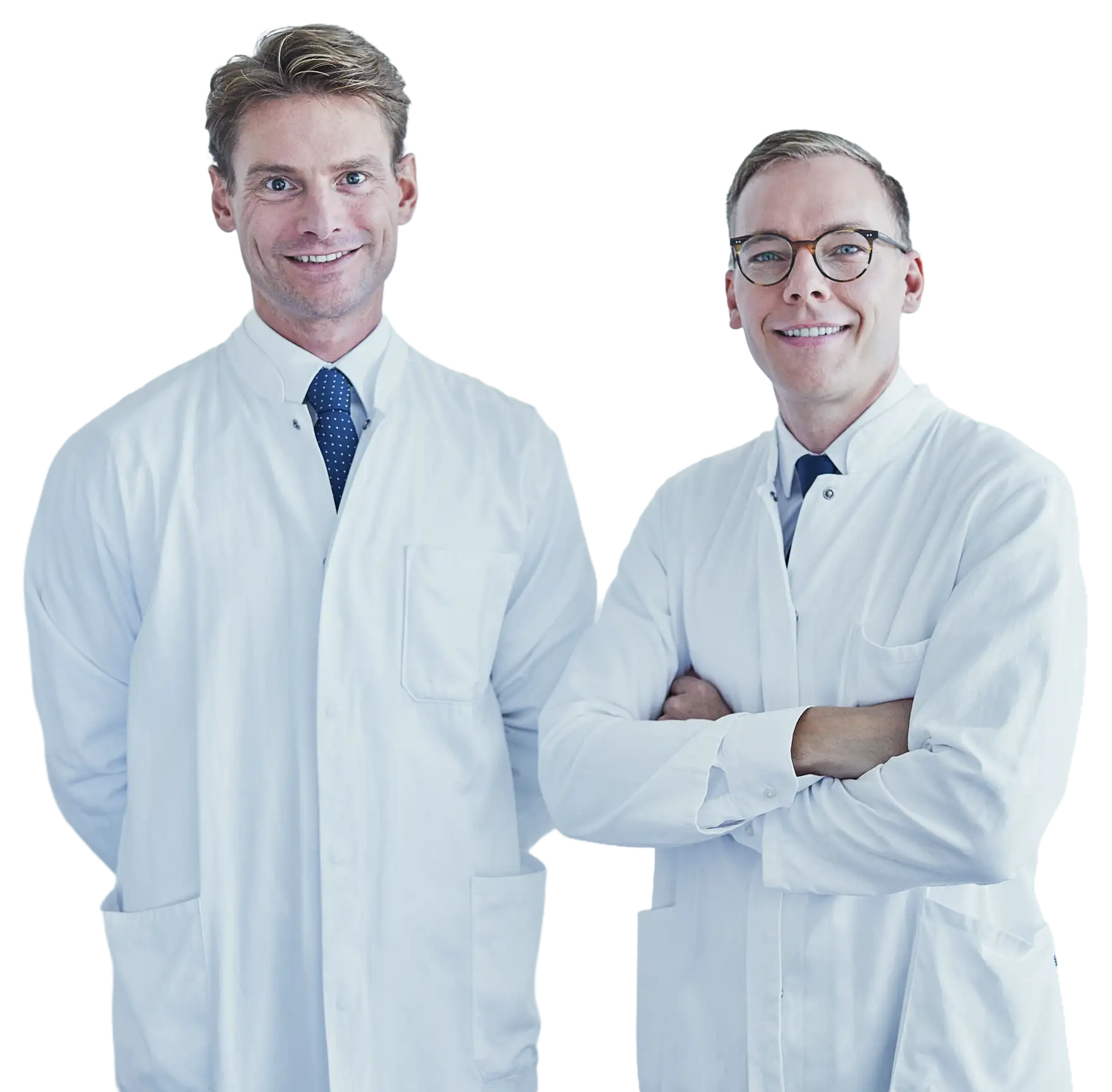
Prof Dr Broer and Prof Dr Heidekrüger from Lipohelp

personal

Counselling

We will be happy to provide you with detailed information in a personal consultation, develop an individual treatment plan together with you and explain the most suitable procedure for you.
Give us a call, we will be happy to help you with any questions!

Enquiry

Enquire now without obligation - fast and flexible appointment allocation

Contact form

©2026 zellfusion GmbH | Munich

Newsletter
Subscribe to our Lipohelp® newsletter and stay up to date!
Newsletter

Lipoedema self-test

Our carefully designed lipoedema self-test form serves as your personal guide to gain a better understanding of the symptoms and signs of possible lipoedema. The following questions are designed based on scientific evidence and our many years of experience in lipoedema diagnosis and treatment. They are designed to be easy to understand and answer, and provide you with an initial assessment of your symptoms. Before you begin, we encourage you to take a moment to reflect on your observations and experiences that may be relevant to your physical condition and health.
Lipoedema self-test

Lipoedema test: do I have it? You can recognise it in 2 minutes!


Make an appointment
Click on the desired location to make an appointment via our online booking system.