



Directly to the content
Lipohelp - The lipoedema experts Logo
Home
/
Lipoedema symptoms & causes

Lipoedema symptoms & causes

Lipoedema is a fat distribution disorder. This fat distribution disorder often occurs on the legs or arms. Women are predominantly affected by lipoedema. How does lipoedema affect the person affected and what measures can be taken to make life easier for those affected?

Lipoedema has nothing to do with being generally overweight. But how does lipoedema develop and how can it be recognised?

Illustration of a woman with lipoedema
The lipoedema self-test
10 questions you should ask yourself about the diagnosis

Signs and symptoms

Most sufferers complain of an increasing increase in fatty tissue in the legs. However, the increase in fatty tissue on the legs is not the only lipoedema symptom. Some patients also suffer from lipoedema on their arms. In rarer cases, the abdomen or other regions (e.g. back, chin/neck) can also be affected.

However, no increase in fatty tissue can be recognised on the feet and the hands are also spared. However, the transition from the foot to the leg is often characterised by a so-called „fat collar“. Lipoedema can occur in conjunction with obesity - but obesity is not necessarily the trigger.

Lipoedema can also occur in very slim people. Elevating the legs and arms hardly reduces the swelling. You can also feel fine to coarse lumps in the subcutaneous fatty tissue. Later on, skin/fat lumps (so-called „dewlap formation“) can also form. In general, those affected often feel exhausted and unwell.

The causes of lipoedema

In the case of lipoedema, the fat cells multiply and increase in size. As a result of the increased tissue pressure and the associated possible obstruction of lymphatic drainage, water retention can occur in the affected areas (so-called secondary lymphoedema). The exact causes of lipoedema are still unknown.

Scientific studies have shown that hormones play a major role in the development of lipoedema. Genetic predisposition can also be responsible for lipoedema. However, it has not been proven that a poor diet and too little exercise can lead to lipoedema.

A woman's hormonal balance can be affected, particularly during phases of hormonal change (e.g. puberty, pregnancy, menopause or medication), which can lead to lipoedema.

Hormonal imbalances lead to an imbalance in the body. The nerves in the fatty tissue (such as pain receptors), weight control and also inflammatory processes can be negatively affected by the imbalance. If you look at the genetic predisposition to the development of lipoedema, you quickly realise that the disease often occurs several times in a family, whereby several generations can be skipped. For this reason, genes also play a major role in the development of lipoedema.

How can lipoedema be treated?

According to current research, lipoedema cannot be „cured“ as the cause is not fully understood. However, the course of the disease and the progression of the fat distribution disorder can be significantly reduced. Conservative and surgical treatment methods are now available to alleviate the symptoms and progression of lipoedema.

Physiotherapeutic measures can, for example, help to alleviate the pain associated with lipoedema. Physiotherapeutic measures include manual lymphatic drainage, compression treatment (flat knit) and intermittent pneumatic compression. Once the diagnosis has been made, the conservative measures should be carried out daily and for several weeks.

If you are overweight, regular exercise can alleviate the symptoms of lipoedema. Although exercise does not reduce the number of fat cells, physical activity keeps you mobile and fit. Activities that are particularly easy on the joints, such as aqua aerobics, swimming and fast walking, are recommended for people who are overweight. When doing sports in water, the prevailing water pressure also has a positive effect on lipoedema.

Advanced lipoedema (stage III) can also favour inflammation and skin irritation in the affected area due to the overlapping skin/fat flaps. For this reason, you should take sufficient care of your skin so that it does not become cracked and susceptible to this.

If these methods do not help, a surgical alternative can also be considered. Liposuction can be used to permanently remove the abnormal fatty tissue. However, it is important to know that liposuction alone is not a method for losing excess pounds. A multidisciplinary therapeutic approach is necessary for sustainable weight reduction - too many pounds can only be combated with sufficient exercise and a healthy diet. However, liposuction treatment can significantly support this process!

Portrait of Prof Dr Paul Heidekrüger
Checked by the author
Prof. Dr Paul Heidekrüger has been a specialist in liposuction for lipoedema for more than 10 years and is a successful aesthetic and plastic surgeon in Salzburg and Munich. The facts on this website have been checked by him and are based on the highest medical standards in plastic surgery.
More about Prof Dr med Paul Heidekrüger
Here you can find LIPOhelp® lipoedema doctors

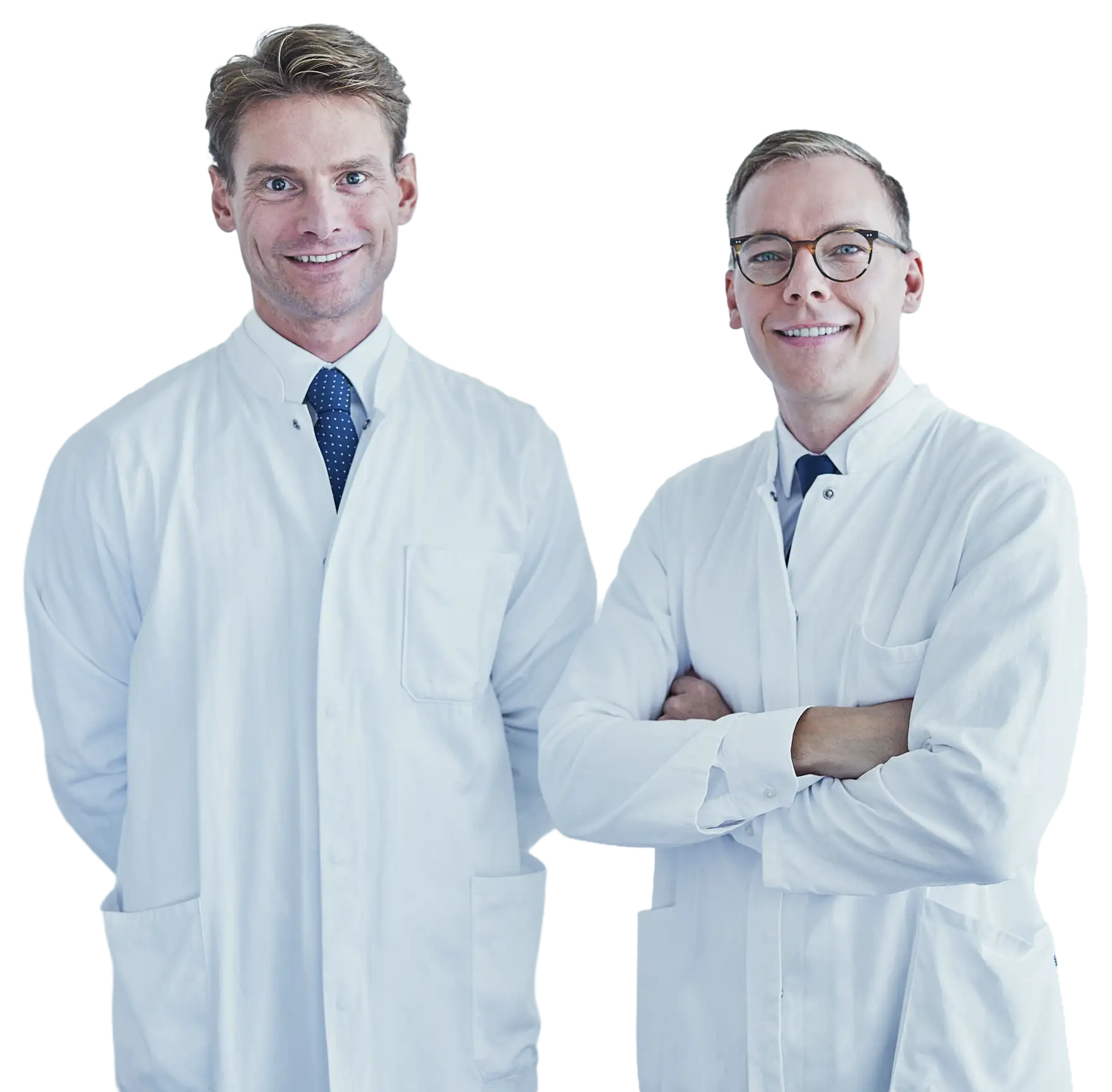
Prof Dr Broer and Prof Dr Heidekrüger from Lipohelp

personal

Counselling

We will be happy to provide you with detailed information in a personal consultation, develop an individual treatment plan together with you and explain the most suitable procedure for you.
Give us a call, we will be happy to help you with any questions!

Enquiry

Enquire now without obligation - fast and flexible appointment allocation

Contact form

©2026 zellfusion GmbH | Munich

Newsletter
Subscribe to our Lipohelp® newsletter and stay up to date!
Newsletter

Lipoedema self-test

Our carefully designed lipoedema self-test form serves as your personal guide to gain a better understanding of the symptoms and signs of possible lipoedema. The following questions are designed based on scientific evidence and our many years of experience in lipoedema diagnosis and treatment. They are designed to be easy to understand and answer, and provide you with an initial assessment of your symptoms. Before you begin, we encourage you to take a moment to reflect on your observations and experiences that may be relevant to your physical condition and health.
Lipoedema self-test

Lipoedema test: do I have it? You can recognise it in 2 minutes!


Make an appointment
Click on the desired location to make an appointment via our online booking system.