



Author
Prof Dr Paul Heidekrüger
Reading time min.
Reading time min.
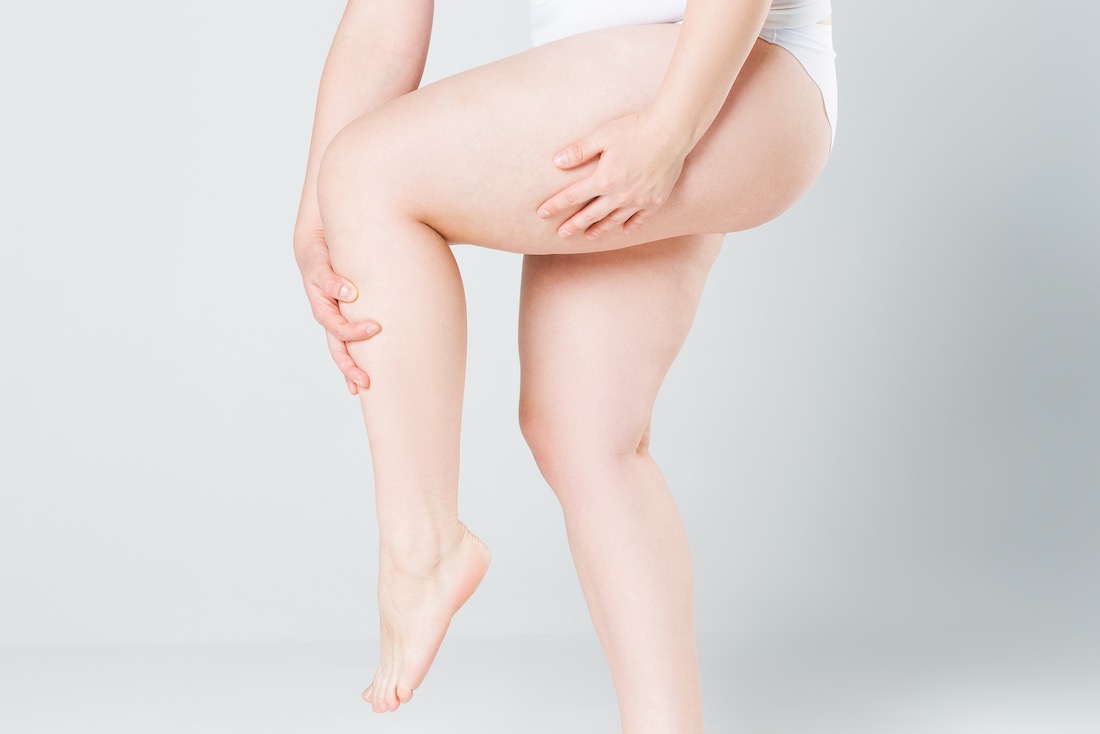
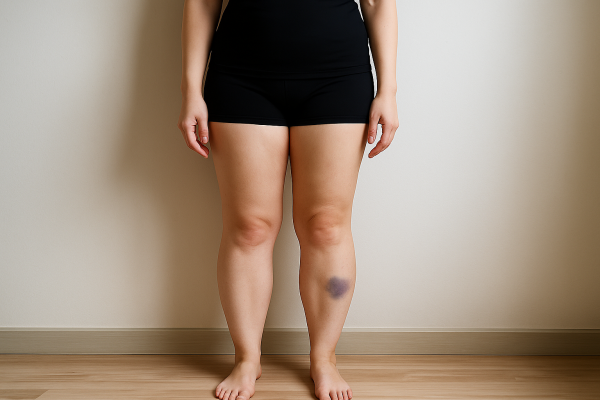
If fat deposits on the legs appear highly asymmetrical, there may be a pathological fat distribution disorder. In a healthy person, weight gain is proportional. In the case of a fat distribution disorder, also known as lipoedema, fat deposits form in the area of the legs, often accompanied by bruising. Other accompanying symptoms are water retention, also known as oedema, tension pain and an unpleasant feeling of pressure. These occur because the accumulation of fat on the legs has a negative effect on the lymphatic system. The lymphatic fluid can only be drained with great difficulty and oedema and pain are the result.
An accumulation of fat on the legs due to lipoedema is characterised by a disproportionate figure. Lipoedema can occur on the inner and outer sides of the thighs as well as in the lower leg area. The following symptoms are typical of lipoedema:
A feeling of heaviness is also a sign of abnormal fat deposits in the legs. Particularly in warm weather or when those affected have spent a long time standing, the legs feel very heavy. In addition, the skin or subcutaneous fatty tissue becomes increasingly “lumpy” over time and extreme cellulite can appear in the leg area. The surface of the skin usually feels cold.
Abnormal fat deposits on the legs, which include lipoedema, can be caused by a person's genes. In addition, hormonal factors are often the trigger for such a condition. Lipoedema usually occurs when a woman experiences hormonal changes. An abnormal accumulation of fat in the legs usually occurs during puberty, after pregnancy or during menopause.
Many people believe that being overweight is also one of the possible causes of lipoedema. However, this is not the case. Both slim and overweight women can suffer from a pathological accumulation of fat on the legs. The causes are not yet fully understood.
Which treatment method is possible and appropriate in each individual case depends on the stage and type of disease. Treatment options such as exercise and physiotherapy are recommended to reactivate the lymphatic system. Lymphatic drainage can also alleviate the symptoms. Compression stockings (flat knit), which are specially designed for abnormal fat deposits in the legs, are also popular. However, sufferers should always bear in mind that these conservative methods can only alleviate the symptoms and never eliminate the cause.
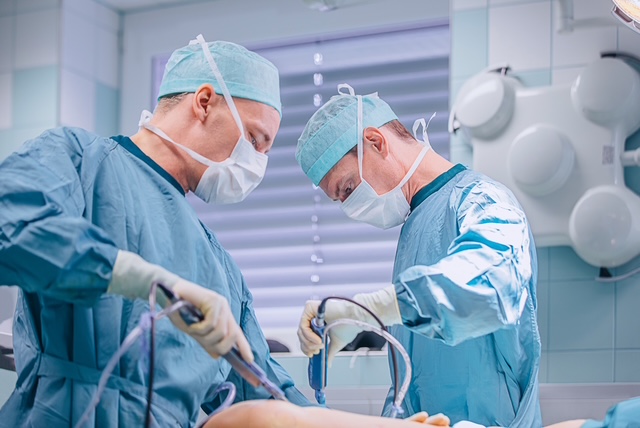
In order to permanently remove lipoedema, a Liposuction necessary. During liposuction, the abnormal fat cells are permanently removed. Tissue fluid can also be reduced in the process to reduce tension and pressure pain.
Liposuction is the only way for those affected by abnormal fat deposits in the legs to regain a normal leg shape that is proportionate to the upper body. Depending on the stage of the disease, one or more sessions may be necessary. For mild forms of abnormal fat accumulation on the legs, it is possible that only one liposuction session is necessary. The operating specialist uses very thin cannulas so that hardly any scars remain. It is also important that the tissue around the treatment area is spared.
For further information, you can of course contact our LIPOhelp® team at any time. Contact us!

Your opinion is important to us!
We would be delighted if you would publish your experiences on one of the following pages:


©2026 zellfusion GmbH | Munich
You need to load content from hCaptcha to submit the form. Please note that doing so will share data with third-party providers.
More InformationYou need to load content from reCAPTCHA to submit the form. Please note that doing so will share data with third-party providers.
More InformationYou need to load content from reCAPTCHA to submit the form. Please note that doing so will share data with third-party providers.
More InformationYou need to load content from reCAPTCHA to submit the form. Please note that doing so will share data with third-party providers.
More InformationYou need to load content from Gymnastics styles to submit the form. Please note that doing so will share data with third-party providers.
More InformationYou are currently viewing a placeholder content from Instagram. To access the actual content, click the button below. Please note that doing so will share data with third-party providers.
More Information